Indian football’s impossible restart
How the ISL is attempting to rebuild in 39 days what took a decade to construct


On Tuesday afternoon, in a conference room at the Sports Authority of India (SAI) in New Delhi’s Jawaharlal Nehru Stadium Complex, Indian football was brought back to life by administrative order. After six months of commercial paralysis and the exit of its billionaire backers, the Indian Super League (ISL) was instructed to resume operations.
Union Sports Minister Mansukh Mandaviya and the All India Football Federation President (AIFF) Kalyan Chaubey gave the league 39 days. By February 14, the ISL must field 14 teams across 91 matches, assemble squads, finalise contracts, and resume as a professional competition.
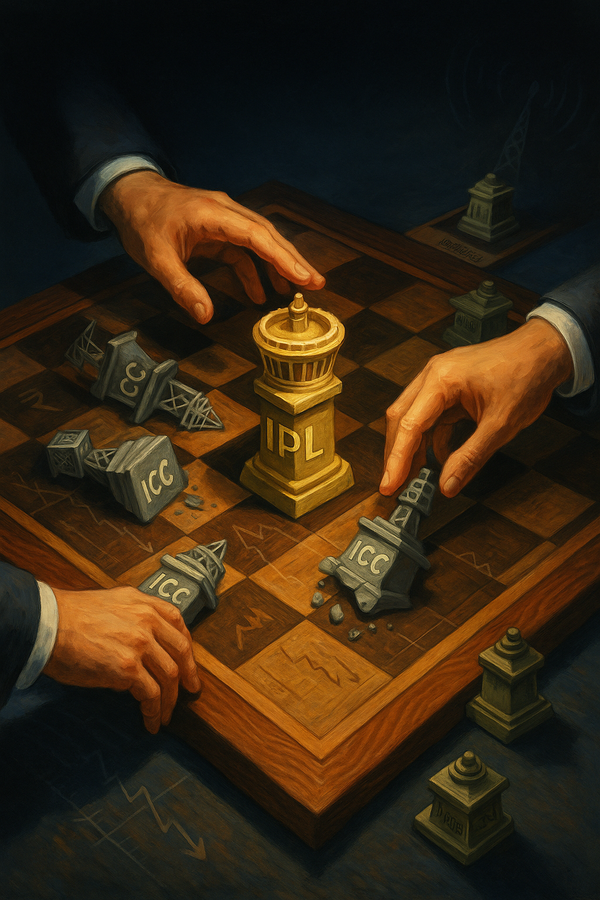
The intervention amounted to an emergency tracheotomy: a procedure that restores breathing without addressing what caused respiratory failure in the first place.
For the ISL, that underlying condition is financial. A decade-long model built on Reliance’s Rs 275-crore broadcast deal has been dismantled. Clubs are resetting wage bills to levels they can sustain without subsidy. The league, once underwritten by corporate capital, now operates on temporary state funding, with the AIFF contributing Rs 9.7 crore (40% of the overall Rs 24.26 crore b to complete one season.
Whether that timeline is enough to assemble something credible remains unclear, though what has certainly ended is the system that sustained the ISL for a decade.
This account draws from reporting among club executives, broadcast professionals, and commercial partners. Most spoke on condition of anonymity citing ongoing negotiations and contractual sensitivities. Multiple attempts to reach the AIFF leadership went unanswered at the time of publication.